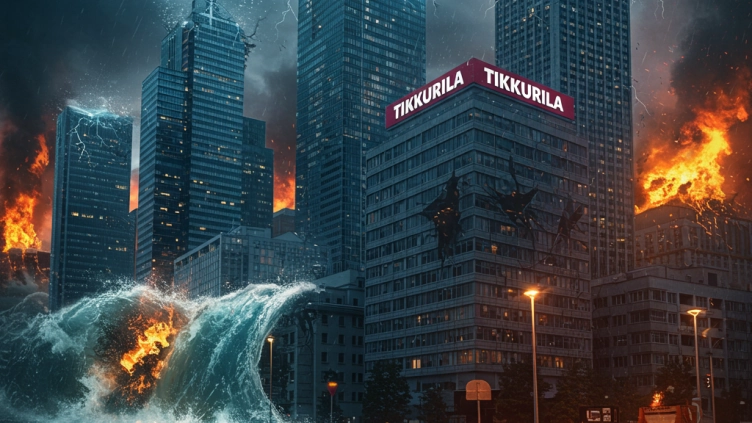
I watch the news last week about tram rails building in Tikkurila, Vantaa,
Finland and how it affects to local businesses.
Their businesses suffer because of these blocking obstacles around the center of Tikkurila. And then I somehow connected this thing to climate change effects.
Climate Change
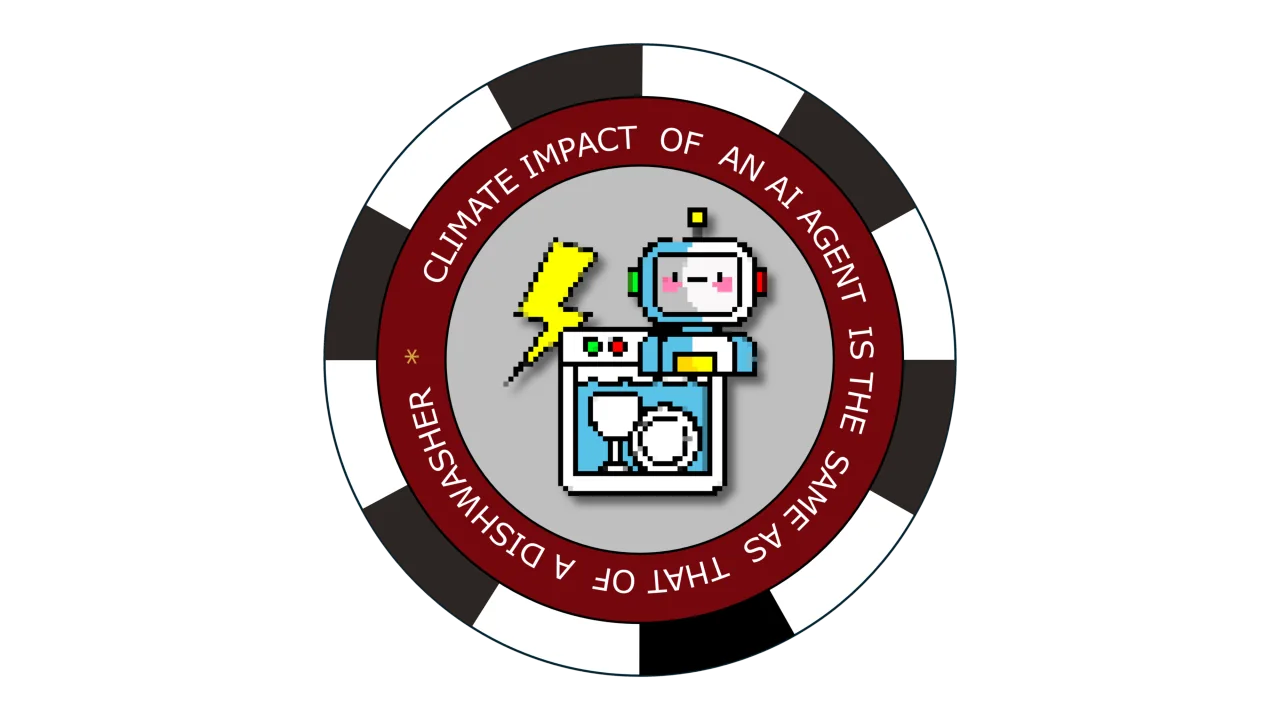
Climate change is often discussed in terms of environmental impact, but it has increasingly become a critical economic risk. For small and medium-sized enterprises (SMEs), which are not 'virtual businesses' which operates everywhere and nowhere, but rather have physical presence, this risk is not just a future threat. And of course, virtual businesses like us (Startecon), we have another transition risk. We are heavy Data & AI provider and consumer, where we need to move to more sustainable technologies. It is a current financial reality. Climate change presents a two-fold economic challenge
1) physical risks that directly damage assets and interrupt operations and
2) transition risks that arise from shifting to a low-carbon economy.
Understanding and mitigating these risks is essential for the longevity of small businesses.
Physical Risks
Small businesses are particularly vulnerable to physical climate risks because they often possess fewer resources for adaptation and recovery compared to large corporations. Acute physical risks, such as extreme weather events—floods, wildfires, and storms—can cause immediate destruction of property, inventory, and infrastructure. A single flood can close a local restaurant or retail store for weeks, incurring high repair costs while simultaneously losing revenue.
Furthermore, chronic physical risks, such as long-term shifts in temperature, create ongoing operational expenses. For example, rising temperatures increase energy costs for air conditioning, while supply chain disruptions caused by extreme weather can create shortages and drive up prices for necessary raw materials. These events lead to increased insurance premiums, which are a major financial burden for smaller operators already working with tight margins.
Transition Risks
While physical threats are immediate, transition risks pose a strategic challenge. As governments implement policies to meet sustainability goals, businesses may face rising costs due to carbon taxes or stricter compliance regulations. Small businesses that rely on older, high-emission technology may find their equipment becoming a 'stranded asset', losing value before its time.
Market preferences are also shifting. Consumers are increasingly demanding sustainable products and services, creating a reputational risk for businesses that fail to adapt. A small business that does not prioritize sustainable practices risks losing customers to more eco-conscious competitors.
The Economic Consequence
The cumulative impact of these risks is a threat to the financial stability of small businesses. Climate hazards can cause significant operational downtime and damage fixed assets. With limited cash reserves, many SMEs struggle to recover from these events. The financial strain is compounded by the fact that only a portion of these climate-related losses is typically covered by insurance.
A Strategic Response
To survive, small businesses must treat climate risk as a core part of their financial planning. This involves conducting risk assessments to identify vulnerabilities, investing in energy-efficient equipment to lower operational costs, and securing supply chains against disruptions.
In conclusion, climate change is a tangible economic risk that can disrupt, damage, or close small businesses. While the challenges are severe, proactively addressing them—through building resilience, adopting sustainable practices, and strategic planning—can help smaller enterprises not only survive but also find new, sustainable opportunities in a changing economy.
Using sustainability management systems help businesses to observe their operations from different perspectives.